
Your book lives in two search engines with two different jobs
Amazon is a store. Google is a library. Readers type different words into each one, for different reasons, and the single most common author SEO mistake is optimizing the same words on both surfaces. We ran 240 Amazon Books autocomplete queries across 31 seed terms plus a full a–z sweep for this launch, alongside Google volume and difficulty data for the same topics. The two engines barely overlap. The strategy that fell out of the data fits in one sentence: sell the book on its trope, and tell its story on its setting.
On Amazon, readers search by trope, not by your story
Nobody searches Amazon Books for “Catskills.” We checked. The autocomplete for it returns catskills hiking guide, catskills fly fishing, catskills sweatshirt, catskills maple syrup, catskills wall art, travel and merchandise, not fiction. The setting that makes a novel distinctive is not the language readers use to find one.
What readers do search is the shape of the story they want next. “Second chance romance books” runs 14,800 searches a month on Google at a keyword difficulty of zero, and it is a fair one-line description of the actual plot of the book I was researching. The romance community also self-sorts by labels that barely register on Google at all: “seasoned romance” shows 10 searches a month there, but Amazon autocompletes it as an exact phrase because reader groups use it as their standard term for love stories about people past fifty. A term like that is worthless on a web page and priceless in Amazon’s backend keyword fields. Knowing which surface a keyword belongs to is half the job.

The backend rules Amazon doesn’t advertise
Amazon gives every book seven hidden keyword fields of fifty characters each, and it concatenates all of them into one index alongside your title, subtitle, author name and categories. Three rules follow directly from how that works, and most authors break all three:
- Never repeat a word Amazon already indexes. Your title, subtitle, author name and category words are already in the index. Spending backend characters on them buys nothing.
- Never repeat a word between fields. Same reason. Every duplicated word is wasted inventory.
- Use phrases real readers type. Autocomplete is the free research tool: if Amazon completes the phrase, readers are typing it. If it doesn’t, they aren’t, no matter how well it describes your book.
For this launch, the seven fields came out to strings like second chance romance later in life, mature older couple love story, and 1960s catskills resort hotel setting, every phrase either confirmed by autocomplete or an established sub-genre label, no word repeated anywhere. That’s the whole backend, done by the rules.
On Google, your setting is the content magnet
Here’s where the Catskills stopped being a weakness and became the asset. As informational queries, the history of the resorts, what happened to the hotels, what the Borscht Belt was, the Catskills cluster is worth roughly 20,000 searches a month at single-digit difficulty. That is not book-discovery traffic. It is blog traffic, and it is how a novelist builds an audience that arrives months before the algorithm knows the book exists.
And this is the part where authors hold an advantage no marketer can fake: a novelist who lived their setting is a primary source. The author I’m working with was born into a Borscht Belt hotel family, he isn’t summarizing Wikipedia, he’s one of a handful of living people who can describe that world first-hand. Google’s quality guidelines literally score content on experience, and AI engines lift from sources with demonstrable authority. Twenty thousand monthly searches, almost no competition, and a writer with lived experience nobody can duplicate: that is as close to a free lunch as SEO offers in 2026. His novel That Catskill Summer grew out of exactly that world, and the sequel arriving September 8 returns to it.
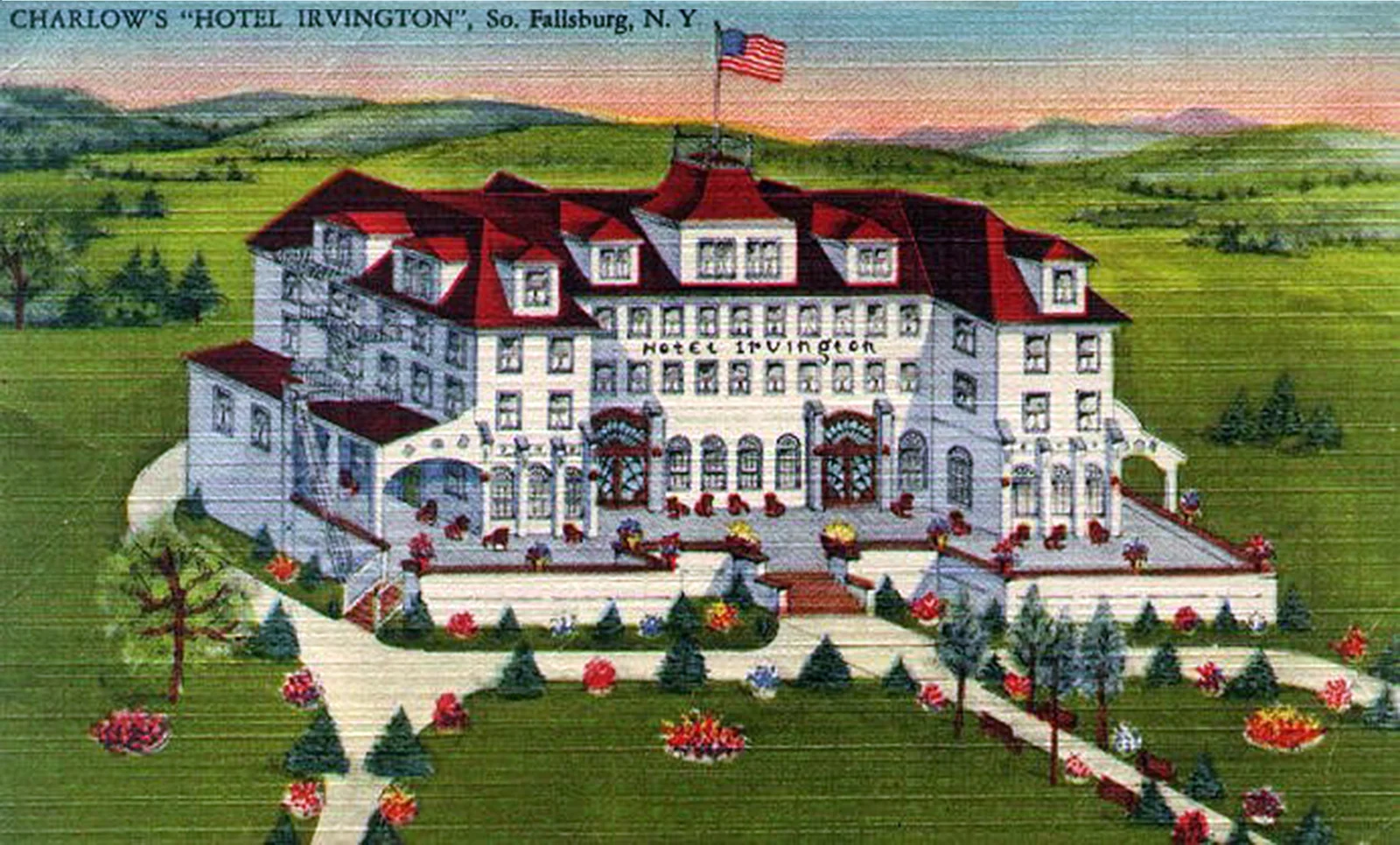
Full disclosure, since this is a post about primary sources: Bart isn’t just a client, he’s family. He is my first cousin twice removed; my branch runs through Jules “Julie” Charlow, brother of Bart’s father Frank, so the hotel on that postcard is part of my own family history too. I would have taken this project on the numbers alone, but I won’t pretend the setting didn’t pull me in.
What the data says not to do
Keyword research earns its fee less by finding words than by killing bad ones. Three findings from this project that generalize to almost every author:
- Genre labels nobody types are not positioning, they’re camouflage. “Historical fiction 1960s” runs 20 searches a month at difficulty 49: the worst combination on the board, maximum competition for minimum demand. The trope description of the same book had 14,800 at zero. Call your book what readers call it, not what a librarian would.
- If a plot thread could be misread out of context, it doesn’t belong in your marketing. Fiction earns its complications across four hundred pages; an Amazon browse page gets four seconds. Market the promise readers are searching for, and let the book deliver its complexity on its own terms.
- Match the surface to the keyword. A term with real Amazon autocomplete and no Google volume goes in the backend fields. A term with Google volume and no buying intent goes on the blog. A term with neither goes nowhere, even if you love it.
The timing truth nobody tells authors
Amazon keyword and category changes take effect essentially immediately, fix them today and they are working for your launch this quarter. Content is the opposite: a blog cluster takes three to six months to rank, which means the setting content you start today is a Q4 asset, not a launch-week one. Both are worth doing. Just don’t confuse the fast lever with the slow one, and don’t let anyone sell you a “launch SEO package” built on content that cannot possibly rank before your launch.
The third engine: will an AI recommend your book?
More readers every month ask ChatGPT and Google’s AI for their next book. Those systems recommend books the way they recommend anything: from a coherent identity assembled across Amazon, Goodreads, your website, and what third parties say about you. An author whose name, bio, series names and titles agree everywhere, with Book and Person schema on their site to make it machine-readable, is legible to those engines. An author whose presence is scattered gets skipped, or worse, filled in with guesses. We put numbers on this while writing this piece: we asked Google’s AI sixteen real “what should I read next” questions and logged all 95 sources it cited, not one citation went to an author’s own website. Goodreads, Reddit, BookTube and the book press carry the answers, which is exactly why the identity layer underneath them has to be airtight. The mechanics are the same ones we’ve documented for any personal brand in how to show up in ChatGPT and AI search; authors just have more surfaces to keep consistent than most.
The author SEO checklist
- Describe your book the way readers search for one. Find your trope; confirm it in autocomplete; put it in your categories, your blurb, and your ads.
- Fill all seven backend fields by the rules. Fifty characters each, no repeats of anything Amazon already indexes, autocomplete-confirmed phrases only.
- Claim your setting on Google. One well-titled post per real question people ask about your world, answer first, story second. You are the primary source; write like it.
- Start the content early. Three to six months before launch, or accept that it’s working for the next book instead. The sequel benefits either way.
- Make the machines’ version of you coherent. Same author name, same series name, same bio on Amazon, Goodreads and your site, with Book and Person schema underneath.
- Check how you’re actually described. Ask ChatGPT and Google’s AI about your name and your book monthly. If the answer is wrong or empty, that is a fixable problem, and our free visibility check is the sixty-second first pass.

The September 8 launch this research belongs to, This Never Should Have Happened (pre-order on Amazon), a second-chance love story set against the filming of an adaptation at a revived Catskills resort, is running this exact playbook: trope-led on Amazon, setting-led on the blog, entity-consistent everywhere. I’ll publish what the numbers did after the launch settles. That’s the standard I’d hold any SEO advice to, including mine: it should be specific enough to check.
Our Research On This
Original SEMPITE studies, live queries, recorded answers, named sources. Free to cite under CC BY 4.0.
- Who AI Cites When Readers Ask What to Read Next, 0/95 AI book citations that went to author sites
An author is a personal brand with a product attached. If you want to know exactly how discoverable yours is, on Google, on Amazon, and in AI search, a SEMPITE Brand Audit tells you in plain English.
Get Your Brand Audit →Frequently Asked Questions
What is SEO for authors?
SEO for authors is making a book and its writer discoverable on three surfaces: Amazon (where readers buy), Google (where readers research topics and authors), and AI engines like ChatGPT (where readers increasingly ask for recommendations). Each surface uses different language, Amazon rewards trope keywords, Google rewards informational content about your setting and subject, and AI engines reward a consistent cross-web identity.
How do authors choose Amazon keywords?
Use Amazon's own autocomplete as the research tool: if Amazon completes a phrase in the Books search bar, real readers type it. Fill all seven 50-character backend fields with autocomplete-confirmed phrases and community sub-genre labels, never repeating words from your title, subtitle, author name, or categories, Amazon already indexes those, so repeating them wastes the space.
Should authors market their book's setting or its genre?
Both, but on different surfaces. Genre and trope keywords sell the book on Amazon, because readers shop by the kind of story they want next. The setting wins on Google as informational content: blog posts answering real questions about your book's world attract readers months before launch. Selling on setting and blogging on trope gets both backwards.
What is a trope keyword?
A trope keyword describes the shape of a story rather than its plot, phrases like 'second chance romance,' 'enemies to lovers,' or 'found family.' Readers use trope language to find their next book, which is why a trope phrase can carry thousands of monthly searches while a plot-accurate description carries none. Your trope belongs in your categories, blurb, and backend keywords.
Do author blogs actually sell books?
Not directly at launch, content takes three to six months to rank, so a blog started today is an asset for next quarter, not next week. What an author blog does build is an audience arriving through informational searches about your setting or subject, an email list, and the topical authority that makes both Google and AI engines treat you as a source. Authors writing from lived experience have an advantage here nobody can duplicate.
How long does SEO take for a book launch?
Split it into fast and slow levers. Amazon keyword and category changes take effect almost immediately and can help a launch within days. Website content and blog clusters take three to six months to rank. AI-engine visibility moves in between, retrieval-based engines can pick up structural fixes within weeks. Fix Amazon today, start content early, and treat the blog as a long-term asset.
Does AI search matter for selling books?
Increasingly, yes. Readers ask ChatGPT, Perplexity, and Google's AI for book recommendations, and those engines answer from the identity they can assemble across Amazon, Goodreads, your website, and third-party mentions. An author with consistent names, bios, and Book/Person schema everywhere is recommendable; one with scattered, contradictory profiles gets skipped or described wrong.
What schema markup should authors use?
At minimum, Person schema for the author (linking your site to your Amazon and Goodreads profiles with sameAs) and Book schema for each title (with author, series, ISBN or ASIN, and offer details). Add FAQPage schema to reader-question content. Schema doesn't rank a book by itself, but it makes your identity unambiguous to search and AI engines, which is what gets you named correctly.
Leave a Comment
Have a question or something to add? Drop a comment below.